Choosing the right eyeglass lens is just as important as choosing the perfect frame. The right lens can improve visual clarity, comfort, durability, and protection based on your prescription and daily lifestyle. But with so many options available, such as single-vision, progressive, high-index, polycarbonate, photochromic, and anti-glare lenses, it can be difficult to know which one is right for you.

So, which lens is best for your eyes? The answer depends on your eye prescription, age, lifestyle, and specific visual needs.
1. Single-Vision Lenses
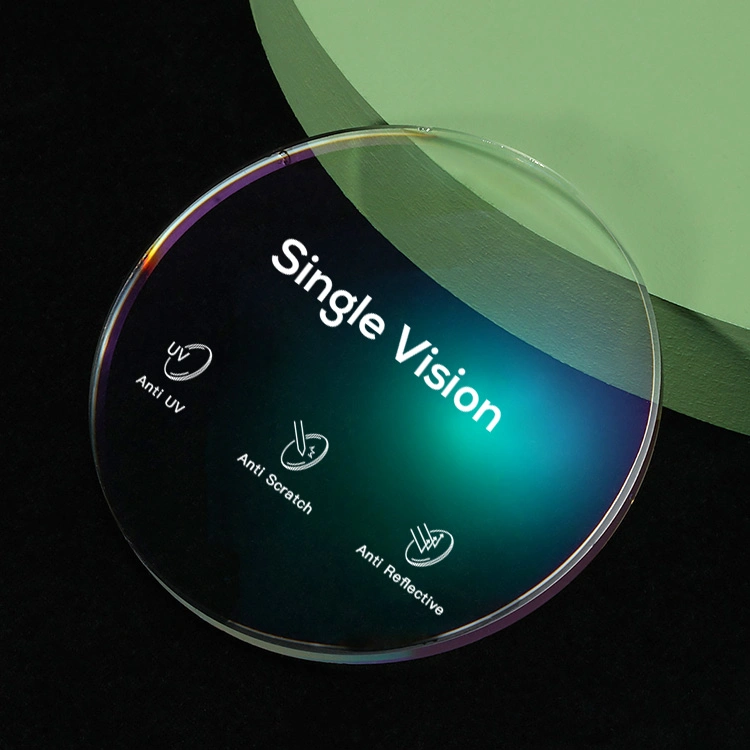
Single-vision lenses have one prescription across the entire lens. They are commonly used to correct nearsightedness, farsightedness, or astigmatism.
If you need glasses primarily for seeing objects at a particular distance, such as everyday distance vision or reading, single-vision lenses may be suitable. Your eye-care professional can recommend the appropriate prescription based on your eye examination.
2. Progressive Lenses
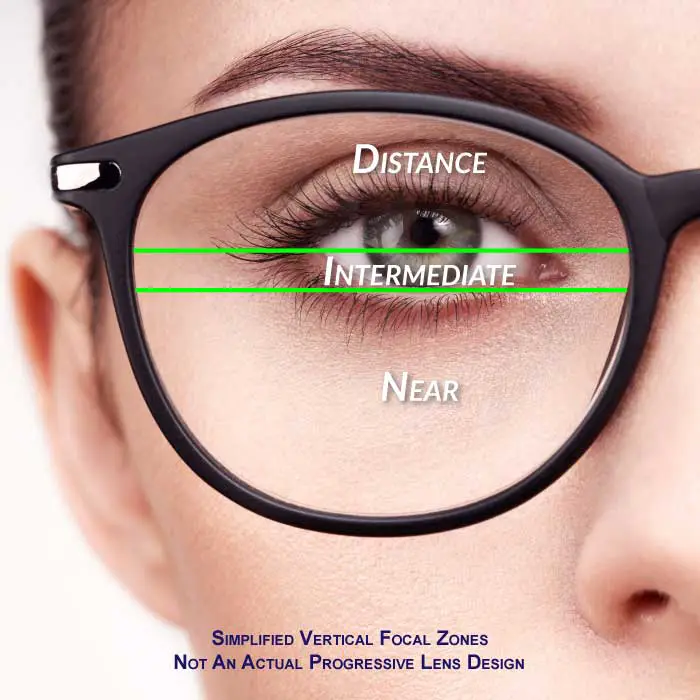
Progressive lenses provide multiple vision zones within one lens. They can help people who need correction for distance, intermediate, and near vision without having to switch between different pairs of glasses.
Unlike traditional bifocals, progressive lenses do not have a visible line separating the different prescription areas. However, they may require an adjustment period when you first start wearing them.
3. High-Index Lenses
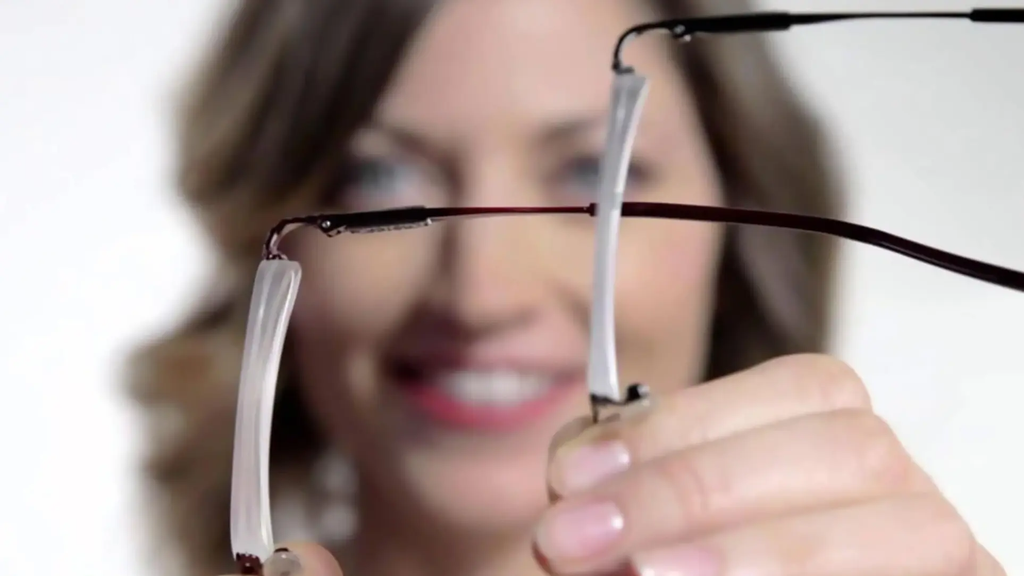
If you have a stronger prescription, high-index lenses can be a useful option. They are designed to bend light more efficiently than standard lens materials, allowing lenses to be thinner and lighter for many prescriptions.
This can make high-prescription glasses more comfortable and aesthetically appealing. The exact lens index suitable for you depends on your prescription and frame choice.
4. Polycarbonate Lenses
Polycarbonate lenses are known for being lightweight and impact-resistant. They are commonly considered for children’s eyewear, sports glasses, and people with active lifestyles.
They also provide built-in UV protection. However, like other lens materials, they can have optical and cosmetic trade-offs, so your optician can help you decide whether polycarbonate is appropriate for your needs.
5. Photochromic Lenses
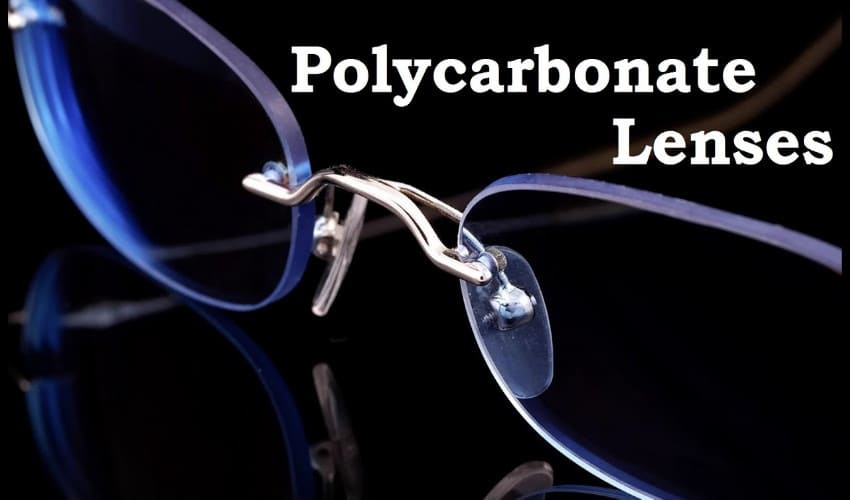
Photochromic lenses, sometimes called transition lenses, become darker when exposed to UV light and return to a clearer state indoors.
They can be convenient for people who frequently move between indoor and outdoor environments because you may not need to switch between regular glasses and sunglasses as often. Their performance can vary depending on temperature, UV exposure, and whether you’re inside a vehicle.
6. Anti-Reflective Lenses
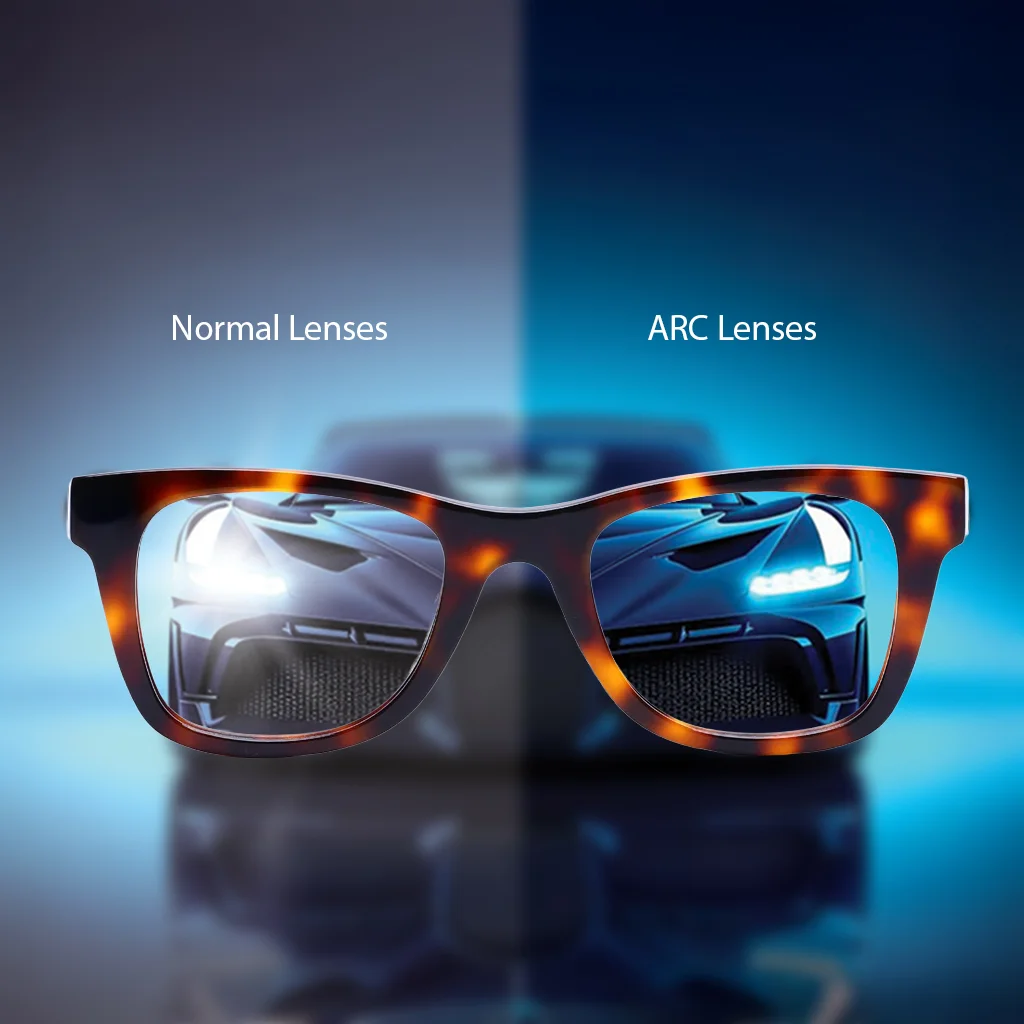
Anti-reflective (AR) coating is applied to lenses to reduce reflections from the lens surface. It can make lenses look clearer and may improve visual comfort in situations where reflections are distracting, such as driving at night or working under bright lighting.
AR coating can also reduce visible reflections in photographs and video calls.
How to Choose the Right Lens

There is no single lens that is universally best for everyone. When selecting your eyewear, consider:
- Your prescription: Your eye power determines which lens options are suitable.
- Your daily activities: Computer work, driving, sports, and outdoor activities may require different features.
- Lens thickness and weight: Higher prescriptions may benefit from thinner or lighter materials.
- Protection: UV protection and impact resistance may be important depending on your lifestyle.
- Budget: Different lens materials and coatings come at different price points.
Conclusion
The best eyeglass lens for your eyes depends on your individual vision requirements and lifestyle. Single-vision lenses may work well for straightforward prescriptions, while progressive lenses can provide multiple viewing distances. High-index lenses can help reduce thickness for stronger prescriptions, while polycarbonate lenses offer lightweight impact resistance.
Before purchasing new glasses, get an up-to-date eye examination and discuss your options with a qualified eye-care professional. Choosing the right combination of lens material, prescription, and coatings can help you achieve clear and comfortable vision every day.