We spend more time than ever looking at digital screens. Smartphones, laptops, tablets, televisions, and other devices have become part of our daily routines. With this increased screen time, you may have heard about blue light and blue-light-blocking glasses.
But what exactly is blue light? Can it really damage your eyes? And do blue-light glasses actually help? Let’s understand the science behind it.
What Is Blue Light?
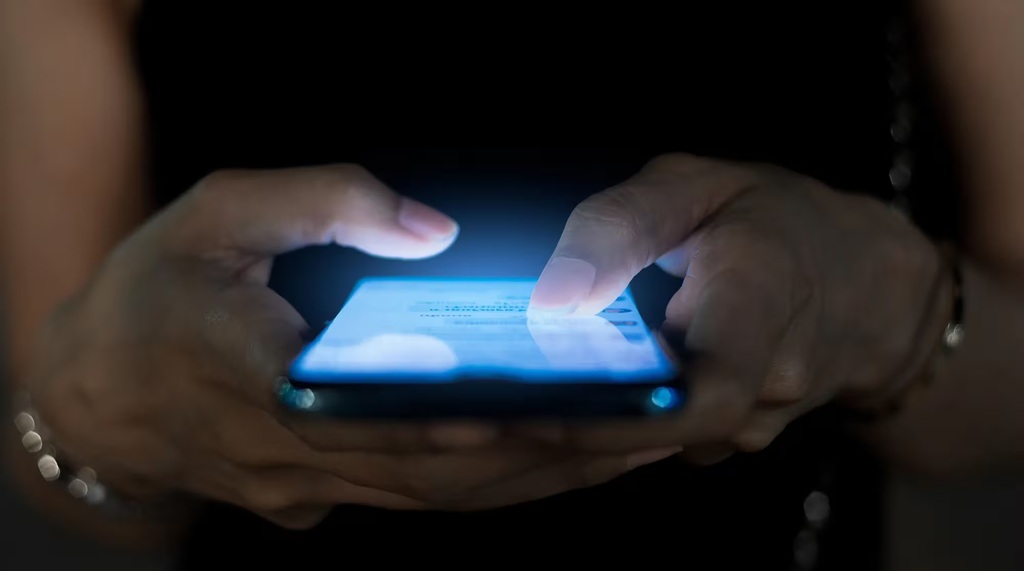
Blue light is a type of visible light that has relatively short wavelengths and higher energy than many other colors of visible light. It occurs naturally in sunlight, which is our main source of blue light.
Digital screens and LED lighting can also produce blue light. However, the amount of blue light emitted by typical screens is much lower than the amount we receive from sunlight.
Blue light isn’t automatically harmful. In fact, some exposure to blue light during the daytime can be useful because it helps regulate our circadian rhythm, the body’s natural sleep-wake cycle.
How Does Screen Time Affect Your Eyes?

Many people experience eye discomfort after spending several hours looking at a computer or smartphone. Common symptoms include:
- Dry or watery eyes
- Temporary blurred vision
- Headaches
- Eye fatigue
- Difficulty focusing
- Sore or tired eyes
These symptoms are commonly referred to as digital eye strain.
Importantly, digital eye strain isn’t necessarily caused by blue light alone. When using a screen, people often blink less, stare at one distance for long periods, use screens in uncomfortable lighting, or sit too close to the display. All of these factors can contribute to eye discomfort.
Do Blue-Light Glasses Really Help?
Blue-light glasses are designed with lenses that filter or reduce some wavelengths of blue light. They are often marketed as a solution for digital eye strain.
However, current research has not established that blue-light-filtering glasses significantly reduce digital eye strain for most people. Eye strain is influenced by several factors beyond blue-light exposure.
Some people may still prefer blue-light-filtering lenses because they find them comfortable or like the appearance of the lens coating. But they shouldn’t be considered a guaranteed treatment for screen-related eye problems.
Can Blue Light Affect Sleep?
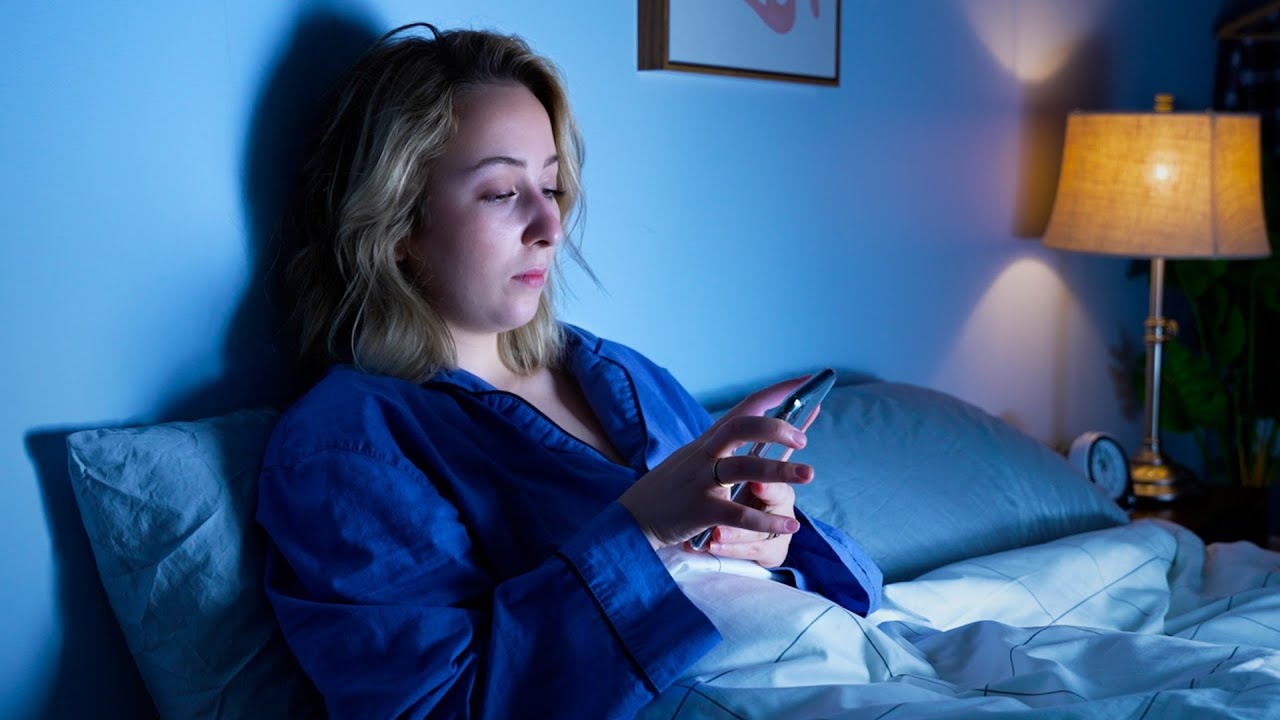
Blue light can influence the body’s circadian rhythm, particularly when you’re exposed to bright light in the evening. Using phones, laptops, or tablets close to bedtime may make it harder for some people to fall asleep.
Instead of relying only on blue-light glasses, consider reducing screen use before bedtime, lowering screen brightness, and using night-mode or warmer display settings in the evening.
How to Reduce Digital Eye Strain

If you spend long hours working on a computer, simple habits can make a big difference:
Follow the 20-20-20 rule: Every 20 minutes, look at something about 20 feet away for at least 20 seconds.
Blink regularly: Remember to blink frequently when concentrating on a screen.
Adjust your screen: Keep your screen at a comfortable distance and position it slightly below eye level.
Use appropriate lighting: Avoid strong glare and extreme differences between your screen brightness and the surrounding room.
Take regular breaks: Stand up, move around, and give your eyes a break during long work sessions.
Final Thoughts
Blue light is a normal part of visible light and isn’t something that needs to be completely avoided. While blue-light glasses can filter some blue wavelengths, evidence does not currently show that they are a reliable solution for digital eye strain.
For healthier screen habits, focus on regular breaks, comfortable screen positioning, good lighting, frequent blinking, and adequate sleep. If you regularly experience persistent eye pain, blurred vision, or other vision problems, an eye-care professional can help identify the underlying cause.